I just read the most heartbreaking message from 41 children who have been ignored and unheard when going through the Family Court of Australia.
One, 15-year-old said they felt “squashed”.
I just had to do what I was told and be quiet and suck it up, even if it wasn’t what I wanted.
Two sisters were ordered by the court to spend time with their father, even though they told the court they didn’t want to because they would not be safe with him. One of the sisters said:
That was always one of my biggest regrets because I’m like, maybe if I had said something differently, or emphasised it more, they would have understood what I was trying to say and actually listened… It wouldn’t have made such traumatic memories, which happened afterwards, when we were forced to see him.
The main themes they highlighted match previous research that looked into the fundamental flaws in Australia’s national “child-centred”, “DV aware” court.
For example, studies about the Family Court process and judges’ decision-making have found that:
- “The courts are seemingly prioritising protection of the child from the risk of psychological harm by the mother due to her failure to facilitate meaningful ties with a father over the risk of alleged physical or sexual harm by the father. We see this as a serious concern.” (Easteal, Prest, & Thornton, 2019)
- There is a “lack of fit” between the types of cases that end up in the Family Court, which “are invariably complex, and likely to involve allegations of domestic violence and/or child abuse, mental health concerns, high conflict, and substance misuse”, and the court’s repeated focus on shared parenting by both parents, “reflected in decisions that appear not to reflect the system’s overarching principle of the ‘best interests’ of children and may also pay insufficient attention to the safety of women and children.” (Laing, 2017)
So what is the Family Court of Australia actually supposed to be doing for children, and why is it refusing to meet its legal obligations?
What is the Family Court of Australia supposed to do for children?
1. Put the best interests of the child first
The Family Court of Australia’s number one legal obligation when dealing with children is to prioritise their best interests.
This means making sure kids are safe, prioritising their wellbeing, and being able to have a meaningful relationship with both parents if it’s safe for them.
However, you only need to look at any case the Family Court has handled in the 2020s to realise that judges and lawyers have a completely insane idea of what “safe” means when it comes to cases involving child abuse and domestic violence.
They’re completely out of touch with children’s international human rights, which Australia has legally said they will follow, and the views of modern Australians, which include:
- The right to not be discriminated on based on the child’s age
- The right to prioritise the best interests of the child
- The right to live with their family
- The right to survive and develop without physical or psychological trauma
- The right to see both parents if it’s safe
- The right to be safe from kidnapping
- The right to express your views and have those views respected
- The right to protection from violence and to be safe from abuse
- The right for a safe and habitable home to live in.
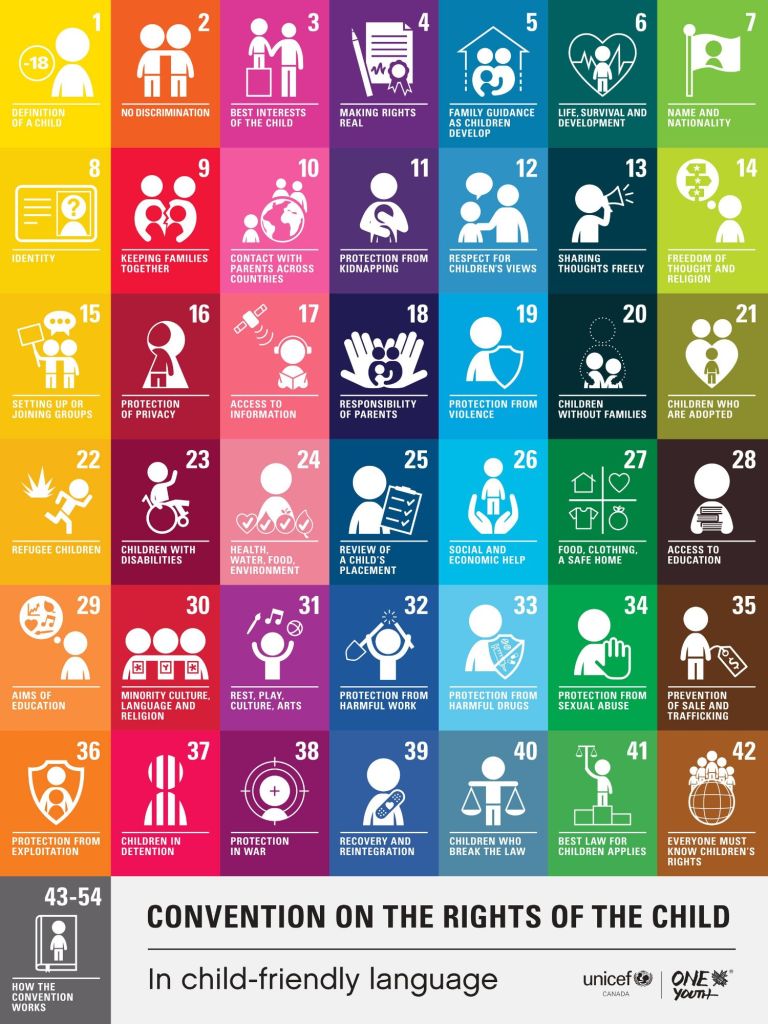
2. Arrange an Independent Children’s Lawyer to represent the child in court
The Family Court of Australia should also appoint an Independent Children’s Lawyer (ICL) when needed, who must meet with the child, understand their views, and advocate for their best interests in court.
However, based on the evidence and research such as this study, the Independent Children’s Lawyer often doesn’t even discuss the case or children’s views when they meet with the child.
Not knowing a child’s views and needs, the ICL is not adequately advocating for the child when they represent them in court.
Remember how the United Nations said children have a right to express their views and have those views respected, and Australia agreed to follow that?
And we know from research that judges almost always follow the advice of the Independent Children’s Lawyer, so legal researchers say “the tendency of judges to make final orders in line with those proposed by the ICL should be further explored” (Drury & Eastel, 2021).
So because “understanding” the child’s views and advocating for them is part of the ICL’s and the court’s legal obligations, both of them are breaching the law in most cases.
Why is this such a big deal?
It matters because the Family Court is failing Aussie children who are already in vulnerable positions. These children have just gone through divorce and separation, which is one of the key events that can cause childhood trauma and lifelong issues, known as adverse childhood experiences (ACEs) (CDC, 1998).
But even worse, they are usually also experiencing enough abuse or neglect factors that the case has needed to go to court instead of settling privately or in mediation (Laing, 2017) – abuse and neglect being more severe ACEs. As anyone who works with kids or trauma victims knows, this matters because ACEs are linked to poor quality of life, long-term health conditions, higher prison rates, and more (CDC, 1998).
According to the latest government data (AIFS, 2025):
More than 1 in 3 marriages end in divorce in Australia.
Half of those divorces involved children under 18 years old.
That doesn’t even count the de facto separations that are also ending up in court.
Through these divorces and separations, the Family Court is dealing with a lot of children, and they should be protecting them.
And yet, the courts are failing to listen to the needs and wishes that children are trying actively to tell them.
Children are effectively silenced in the Family Court’s looooong, expensive, traumatic, legalistic process.
And as a direct result, the courts are still not prioritising the safety of the children they claim to protect.
What you can do to help Aussie kids
Forward this post to the politicians responsible for our legal system:
- Australian Federal Attorney-General and Minister for Justice, who is the person who chooses which judges rule the Family Court of Australia: The Hon Mark Dreyfus KC MP mark.dreyfus.mp@aph.gov.au
- Queensland Attorney-General and Ministry for Justice: attorney.general@ministerial.qld.gov.au
Read and share The Conversation’s piece on this important research and devastating case studies.
Or if you’re able, read the full study to hear more about what kids really want us to know.
Many thanks and kudos to the amazing researchers who cared enough to try to raise awareness of this important issue: Georgina Dimopoulos, Eliza Hew, Meaghan Vosz, and Helen Walsh.

