Open letter to the doubting writer

I wrote this email to a client last month and they said it had to be shared, so here is an edited version of that note. I hope it encourages you as it did them.


60 Once upon a time on typewriter - bigstock_story_2226743_2 from Tamika Christy

Image source: Tamika Christy


Dear doubting writer,

No worries, don’t stress. Panic is a normal part of the writing (and a vital part of the editing) process; no doubt you know that already.

I wouldn’t have quoted on your book if I didn’t see in it the potential to be a truly worthy book. I’m not saying the book is perfect; that’s why editing is a good idea. But you’ve already got my vote of confidence.

There’s no one with a gun to your head to get this book out ASAP. No matter when it arrives, people will be thrilled ecstatically to read it.

But you know what, even if you look at your book and think “eh, it’s still not perfect”, I was reading another book today and came across this quote:

“the woods would be very silent
if no birds sang there
except those that sang best”
– Henry van Dyke

Continue reading

Narrative Therapy: Hear from the author of ‘How I rescued my brain’

At the Perth Writers Festival THIS SATURDAY (21 Feb 2015), you can hear David Roland speak about his book How I Rescued My Brain (Scribe) and how structured life writing (and narrative therapy) can lead to emotional resolution by turning subconscious memories into conscious concepts.

I’m still learning about this topic, but I’m reading a psychology book at the moment about it, Narrative Therapy by Gene Combs and Jill Freedman, so this post will have a follow-up post once I’ve really got my head around it. Normally I wouldn’t post about a topic until I’d done my research, but I figured if you want to go to his event and find out more, you need to know it’s happening now!

Narrative therapy is when you write about an event that has happened to you so that you can see the whole “story arc” of what happened for yourself and gain a better understanding of why it happened, how it came about, and what the resolution of it is.

I picked the Combs/Freedman book up for the concept itself. Closure! Resolution! A better way to think about ourselves and our life events. It’s useful for lots of things. Trauma patients, depressed patients, or people who want to write so they can see the bigger picture they want for their life – e.g. when they’re going through a big change like changing careers or having kids.

For us creators, it’s important because narrative therapy helps us to think outside the box of our own circular thinking, and that thought-stretching can give us better neural plasticity, as David Roland’s book (below) tells us. And neural plasticity means the ability to think of new ideas and be more creative, so it’s worth finding out more about… (Plus narrative writing therapy is good practise at writing a cohesive story!)

David Roland says “life writing” (narrative therapy) enables us to do lots of different useful things, from moving through difficult times, to heightening positive experiences, to learning new things. In his case, Roland had to relearn things his brain already knew, but had forgotten, after he had what doctors assumed was a “stroke-like” event. He was a forensic psychologist who ended up in the emergency ward one day with no idea how he got there.  His book is the story of his neurological breakdown and how he made his remarkable cognitive recovery. You can read more about the book here and buy tickets to his talk here.

Image source: Caroline Leaf

Image source: Caroline Leaf

And for a distinctly Christian perspective on neural plasticity, check out Switched On My Brain by Caroline Leaf PhDhttp://www.koorong.com/search/product/switch-on-your-brain-caroline-leaf/9780801016240.jhtml  According to researchers, the vast majority (about three quarters) of the illnesses that plague us today are a direct result of our thought life and the toxins that are caused by negative thinking patterns. What we think about definitely affects both our emotional and our physical health. Dr Leaf tells us how to think positive while keeping mindfully focussed on God, not just “empty” meditation. This book has been highly recommended by a few people now, so it is next on my to-read list!


This post was written by TJ Withers-Ryan, (C) 2015. Reblogging is always highly encouraged, as long as you cite me as the author.

Adorkable literary proposals to read over Valentine’s Day, part 1

Read this story today and had to share because it is just aDORKable!

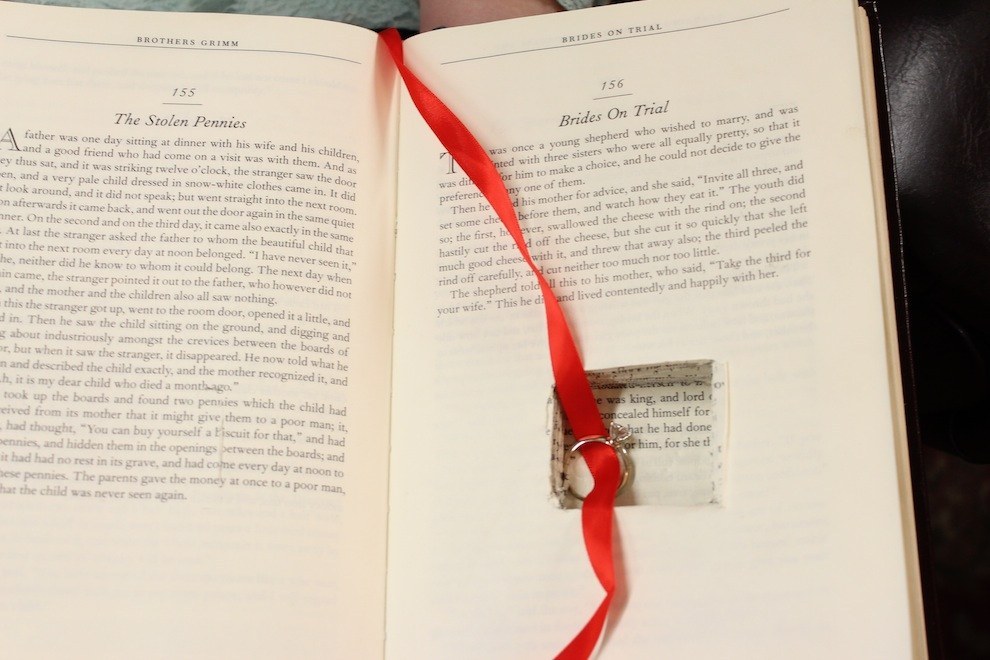
Britt Burgeson, 26, met Daniel O’Duffy, 25, when they were both students at the University of Notre Dame. Image source: Krystie Yandoli, BuzzFeed

Britt Burgeson, 26, met Daniel O’Duffy, 25, when they were both students at the University of Notre Dame.
Image source: Krystie Yandoli, BuzzFeed

A proposal in a bookstore! Lovely! The ring was hidden in a book! ^

Read the full story here: http://www.buzzfeed.com/krystieyandoli/this-couples-bookstore-proposal-is-every-book-lovers-dream#.wu3dOzd92

I don’t usually approve of this sort of public proposal, because GOODNESS, what incredible peer pressure to say yes! I wouldn’t want to be forced to have such a humongous moment in front of a bunch of strangers.

On the other hand, if you’re going to do it in public, hopefully you’ve been together so long that you know each other well and have talked about the idea of marriage together already, so it wouldn’t be a shock.

Wait till tomorrow when I’ll share my faves from literary proposals in classic (and not so classic) books.


This post was written by TJ Withers-Ryan (C) 2015. Reblogging is highly encouraged as long as you credit me as the author of this text.

Foreshadowing: Do you know what’s coming?

'Okay class, is there anyone else who does not understand the term foreshadowing?' Image source: Artist Dan Reynolds via Cartoon Stock

Image source: Artist Dan Reynolds via Cartoon Stock

One of my number one pet peeves is people who don’t indicate. Are they trying to kill me? They change lanes by swerving in front of me without warning; they stop in the middle of the road for no reason and then suddenly turn onto a side road without warning; they merge towards me without warning.

It’s no joke. Indicating saves lives.

In literary terms, foreshadowing is the equivalent of indicating.

Maybe it’s not life-saving, but it is a useful device. You’re telling your reader – without telling them – what’s coming. So it’s a bit more subtle than “Hey, I’m turning left now.” You’re hinting. You’re insinuating. You’re planting a thought. “Hey, maybe I’ll merge. Sometime soon. You might see it coming, you might not.”

Isn’t that cheating?

No. There’s two valid main reasons for foreshadowing:

  1. To build anticipation in your reader. What’s going to happen next? Ooh, dramatic tension!
  2. To make strange or unlikely events seem credible. The reader is mentally prepared for it to happen because someone already hinted that it could

So, how to do it well? How to do it poorly? It all depends on which method of foreshadowing you’re using.

Continue reading

Creating as an act of worship

Every act of creating is an act of worship because it is an echo of what our great creator did in making us.

This month I’ve had one migraine after another – sigh! For me that’s just the result of stress and being too busy to find true rest. One of the more painful results of that is that I’ve been unable to stay in the room when we’re worshipping together at church or the awesome camps I lead on (SU’s Ubertweak, and Gateway Youth Camp)… because the music makes me feel like a hippo’s jaws are squeezing down on my head.

Photo of fighting hippos from Animals Time

On National Geographic’s TV show ‘Dangerous Encounters with Brady Barr’, Dr Brady measured the bite force of an adult female hippo at 8,100 newtons (enough to crush a crocodile), but they had to give up trying to measure the male’s bite pressure because it was so aggressive.
Image source: Animals Time

I’ve found this time of personal silence challenging, but it’s also brought me back to an old truth – that there are so many more ways to worship God than just singing songs. The method of worship that I’ve found most powerful during this time is creating: every time I create, or write, or paint, or sew, I’m worshipping.

Me painting in 2011 during my ‘A Year on Canvas’ project.

Me painting in 2011 during my ‘A Year on Canvas’ project.

A couple of years ago I ran an activity at Youth called 1:1. The name was a reference to the beginning of the Hebrew poem that tells the creation story in Genesis 1:1: “In the beginning God created the heavens and the earth.” Over the course of the night, our 150 kids painted canvasses, journalled, made encouragement cards for each other, and made and flew paper airplanes. We revelled in the act of reflecting what God did in creating us.

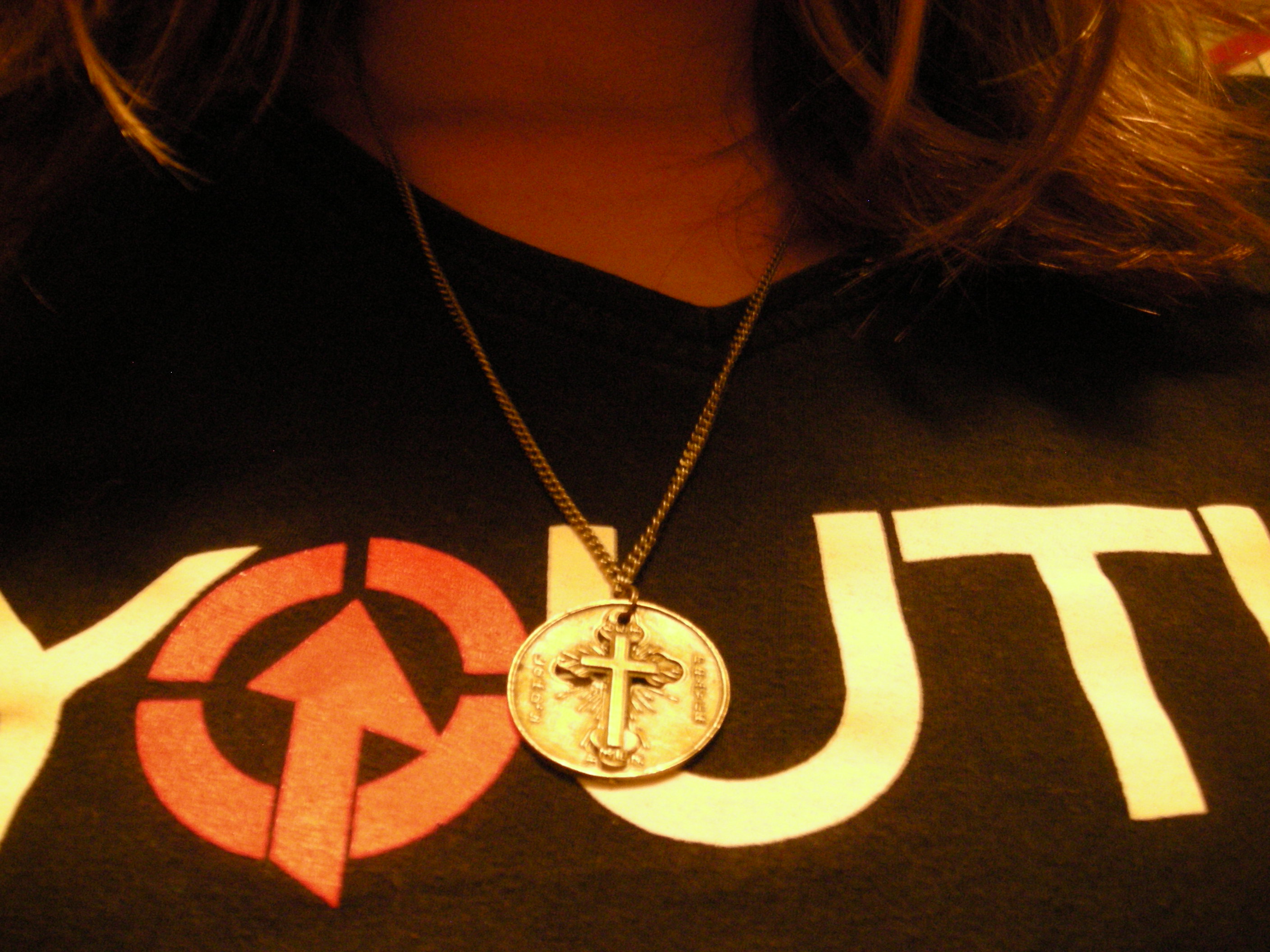
One of my Youth girls’ talented artist mothers, Tess Geizer, made this cross for me for my birthday. I’ve worn it every Friday night since then for leading at Youth.

One of my Youth girls’ talented artist mothers, Tess Geizer, made this cross for me for my birthday. I’ve worn it every Friday night since then for leading at Youth.

Soul Survivor church in Watford, England, experienced revival in the late 1990s when they did something similar. They cut back their music team from the now-typical rock concert style to the congregation singing with only their voices. Why would they do that when they were already one of the leading worship music creators worldwide?

Continue reading

Book-themed literary parties

January has been quite busy so far! I’m back into full-time work in Marketing at UQP and loving it. This is coming to you live from my delicious lunch break. Mmmmm lunch yum…

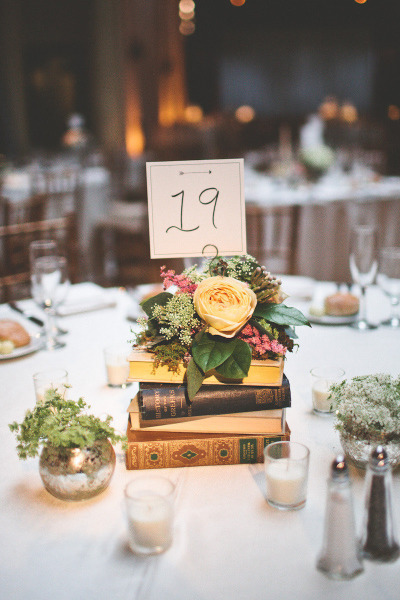
My best friend Nikki and I looked at a lot of ideas for book-themed parties when we were planning my hens’ literary high tea. One of our favourite things to do together is plan themed parties. Pirates of the Caribbean, Doctor Who, Harry Potter, Merlin – the list goes on… Thought you might enjoy seeing some of the bookwormily awesome ideas we found for your next party!

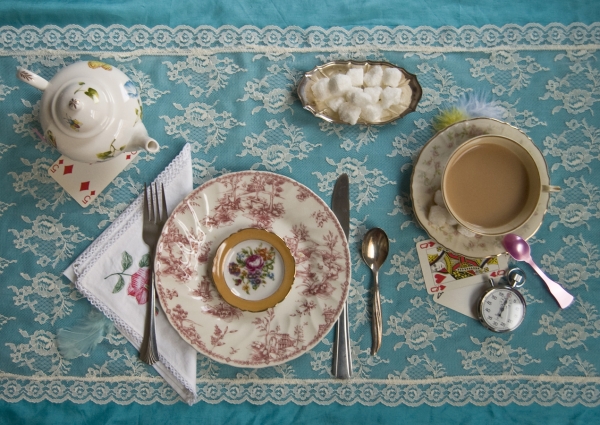
'Alice' theme from from What Sofibi Saw blog

‘Alice’ theme from from What Sofibi Saw blog

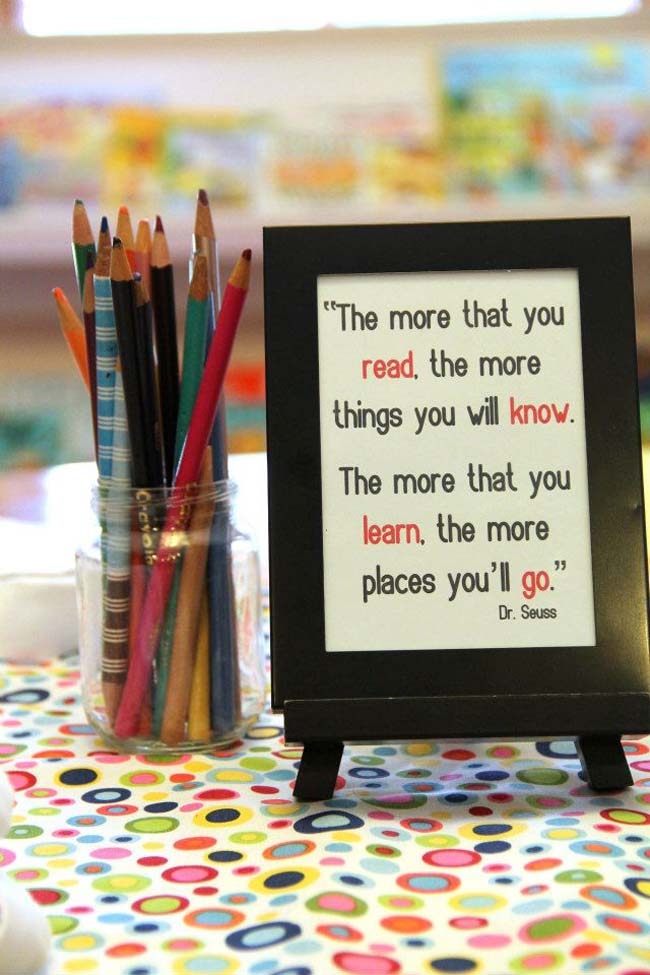
Book club party decoration idea from Party Frosting

Book club party decoration idea from Party Frosting

Bookworm birthday party idea from Angela of Taffie Wishes via Spaceships and Laserbeams

Bookworm birthday party idea from Angela of Taffie Wishes via Spaceships and Laserbeams

My favourite:

Courtesy of Style Me Pretty

Courtesy of Style Me Pretty

Continue reading

Writing the next chapter: What story will you tell in 2015?

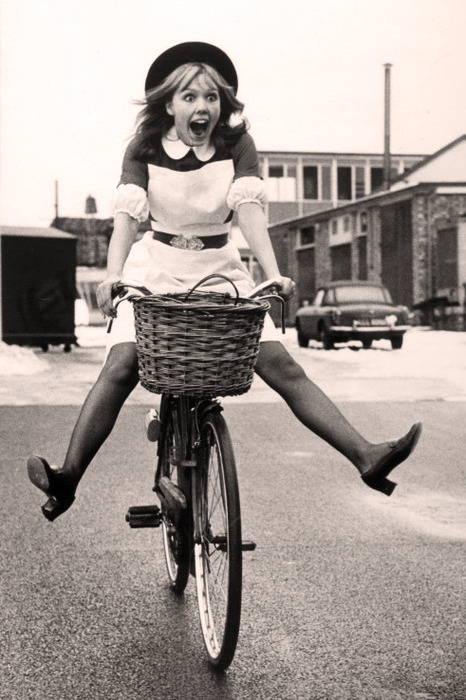
Image source: ‘English girl riding bike’ from Riding Pretty blog

Image source: ‘English girl riding bike’ from Riding Pretty blog

My first post for 2015 is bike-themed, because Tim and I went for a bike ride this morning to kick off the new year. No need to peddle old ideas when you can pedal into the future!

There are always endless possibilities for New Year’s Resolutions. Finish your novel. Lose weight. Find The One. Change jobs. Get to Mordor and drop the ring in Mount Doom. The usual.

As Dave Beck, NaNoWriMo Technical Director, puts it: “In the end, isn’t everything—from relationships to careers to geopolitics—about the narratives we choose? The narratives we write?”

So here’s what my resolutions are all about:

Write a good story with your life. A true hero need only be a person who sets goals and overcomes conflict to achieve them.
(paraphrasing Donald Miller in A Million Miles in a Thousand Years)

Image source: Our wedding photos by Kyle and Elissa Johnson, Slade Portraits

Image source: Our wedding photos by Kyle and Elissa Johnson, Slade Portraits

Last year I wrote my story as well as I could. I had goals, and I overcame obstacles to achieve them. After the usual stresses of preparation, I married the right man for me and enjoyed decorated our new home with the artworks I made with my own hands. I left a job I didn’t enjoy and worked hard at building my editing business so I could continue to do the editing work that I love. I made time to do some of the adventures I enjoy like bushwalking and beach trips, both with friends and by myself for much-needed and much-appreciated “God dates”. Halfway through the year life got really difficult for a time as I found I had some severe struggles to work through, so I asked for help when I needed it and I trusted God to get me through. I began submitting one novel to publishers, entered as many short story competitions as I could, and completed NaNoWriMo again. And I showered as much love as I could on the people I care about.

So here are the few things that I felt went into writing a good story with my life in 2014, and what I’ll be trying to seek out again in 2015.

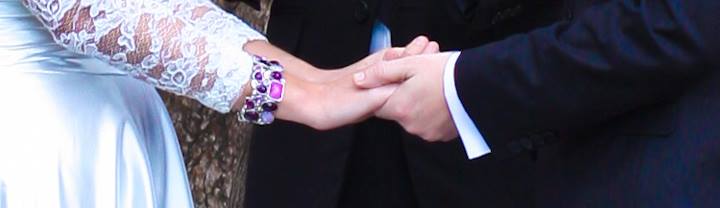
Image source: Sarah Killey Photography

Me and Tim holding hands at the altar.
Image source: Sarah Killey Photography

Continue reading

Go where you find inspiration: Part 3: The airport and times of transition

Go where you find inspiration, and go there often.

Alain de Botton writing in the new Terminal 5 at Heathrow Airport. Image source: Zocalo Public Square

Alain de Botton writing in the new Terminal 5 at Heathrow Airport
Image source: Zocalo Public Square

I’ve driven to the airport too many times recently, saying goodbye to people I love.

But it’s gotten me thinking.

How about visiting an airport to inspire new creativity for a “stuck” story?

Airports have always inspired me, with their excitement and anticipation of new adventures and fond reunions. I love starting new adventures and seeing people saying their “goodbyes” and “welcomes homes”. What does it mean symbolically if a character is at the airport? And where could your character end up?

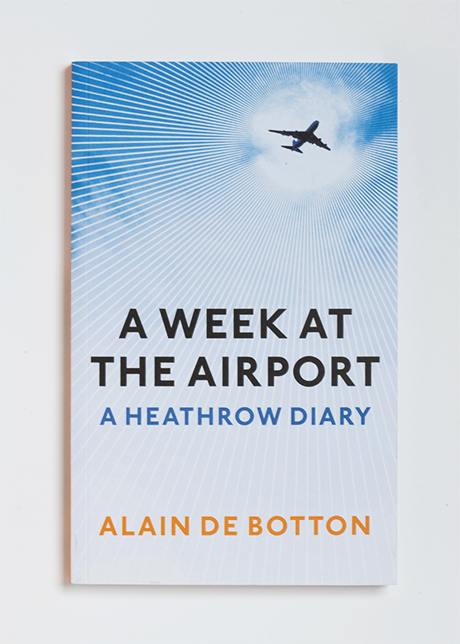
'A week at the airport' book cover. Image source: Profile Books

Image source: Profile Books

I started thinking about this when I read an article about Alain de Botton, who did a one-week writers residency at Heathrow’s new Terminal 5. You can read about his experience and the book he wrote about it in his book, A Week at the Airport.

For this project, he stayed in the airport and the hotel for 24 hours a day for one week. That was his only venue – and he said the confinement to one setting was great inspiration.

He was inspired by the terminal itself – its technology, the design, and its sheer size and scale. He said he likes airports so much he often longs to be delayed in them.

Continue reading

Welcome!

I’m TJ Withers-Ryan, a published author and copywriter/editor based in Australia, and a Jesus follower.

Read my first book, Fire Dancers in the Sand, released in April 2021.

IMG_20200513_132251

I previously offered freelance services but am currently only taking on the projects I’m most excited about. Get in touch if you need recommendations for a good editor, proofreader, or copywriter.

Follow me here or on social media for tips on the creative process for writers, artists, and other creators and living out your faith.

To all my regulars, welcome home – it’s always great to catch up. 🙂  TJ

Music to write by

Music to write by - typewriter treble clef. Image source: Scores for Writers

Image source: Scores for Writers


Ever wondered what type of music will help you to focus when writing in different genres? Here’s what’s worked for me in the genres in which I’ve written or edited.


Okay, NaNoWriMo is nearly over, with only five days until the end is declared. So if you’re nearly there, here’s some final inspiration, to give you the last push you need to get that baby out (what a gross analogy, seriously). And if you’re boycotting NNWM and you’re kind of sick of hearing about it, soon we’ll be back to awesome posts that are not all about how to write a novel in the shortest possible timeframe.

Why does music help you write?

Studies have consistently shown that classical, Baroque era music can help students study things they’ve already learnt once, and can help workers to concentrate better during long or repetitive tasks. For those in a busy study or work environment, music has also been proven effective for blocking out distracting background noise. If you’re writing, editing, or creating art, music can help you stay focused and be more creative and open to new ideas.

By contrast, if you’re trying to learn new information that requires your full attention, music can distract you from what you’re reading. So if you’re doing research about historical methods of leather tanning for a new book, you might want to turn the stereo off and focus on the history.

Listening to lyrics can be distracting from writing, so most of the music I’ve featured in this post is purely instrumental. This is because lyrics are words and you’re already trying to think about other words when you’re writing. (People in other disciplines like maths, science or IT have no trouble with listening to lyrics while they work – in fact it helps, since their domain is largely numbers and code (Lesuik, 2005).)

So what can you use to inspire you when writing in different genres? Read on to find out!

Continue reading